
Why Your Stroke Survivor Keeps Repeating the Same Phrase — And What It Really Means
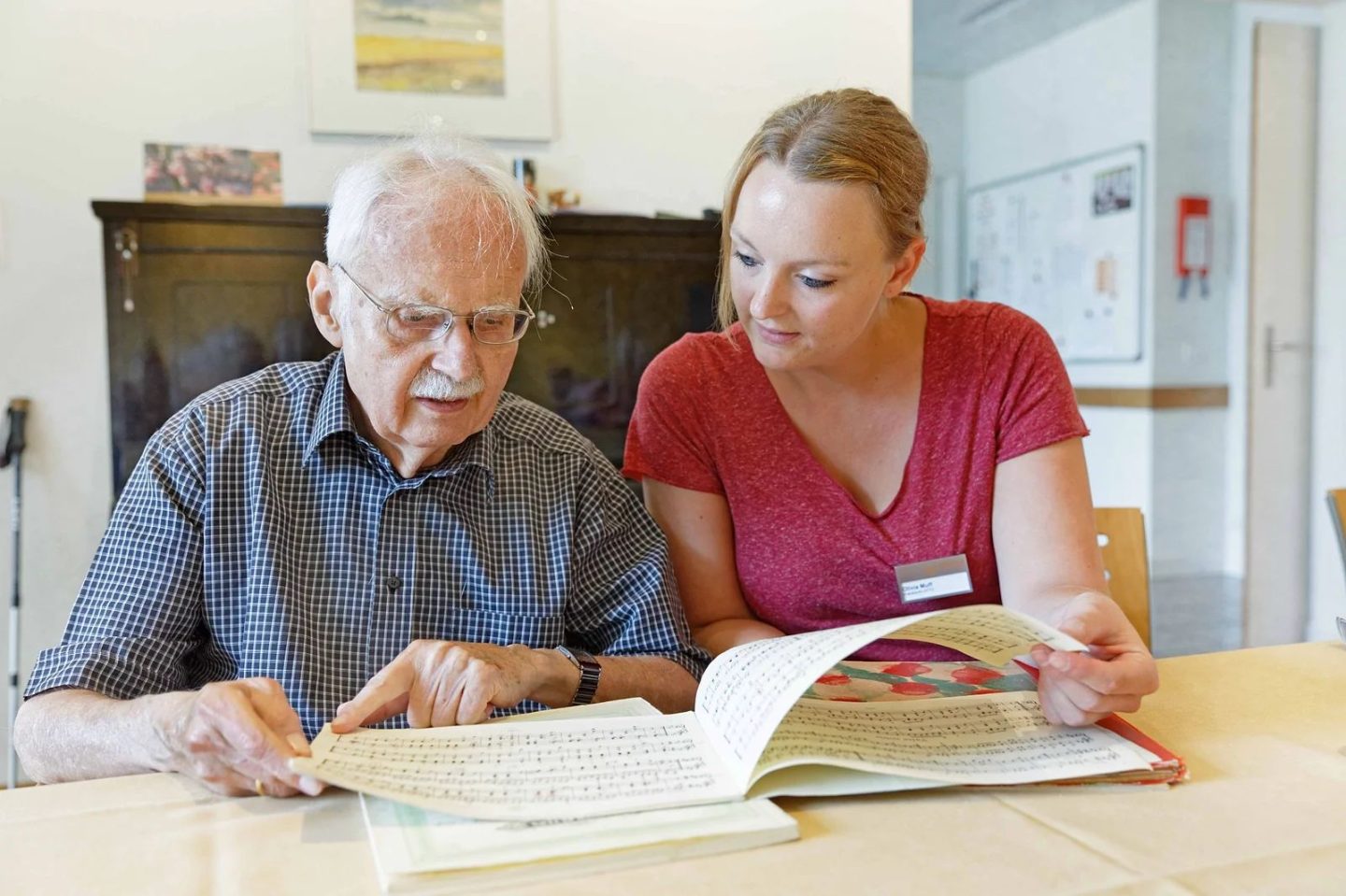
If you’ve spent time caring for a loved one recovering from stroke-induced aphasia, you may have noticed something puzzling: they often repeat the same short phrase over and over
How to Build an Aphasia-Friendly Morning Routine at Home

Mornings can be stressful for families caring for someone with aphasia.
How to Communicate With Someone Who Has Aphasia at Home

Aphasia can change the way a family talks, listens, and connects.
How to Effectively Care for Seniors with Speech or Mobility Difficulties at Home | Practical Family Care Guide
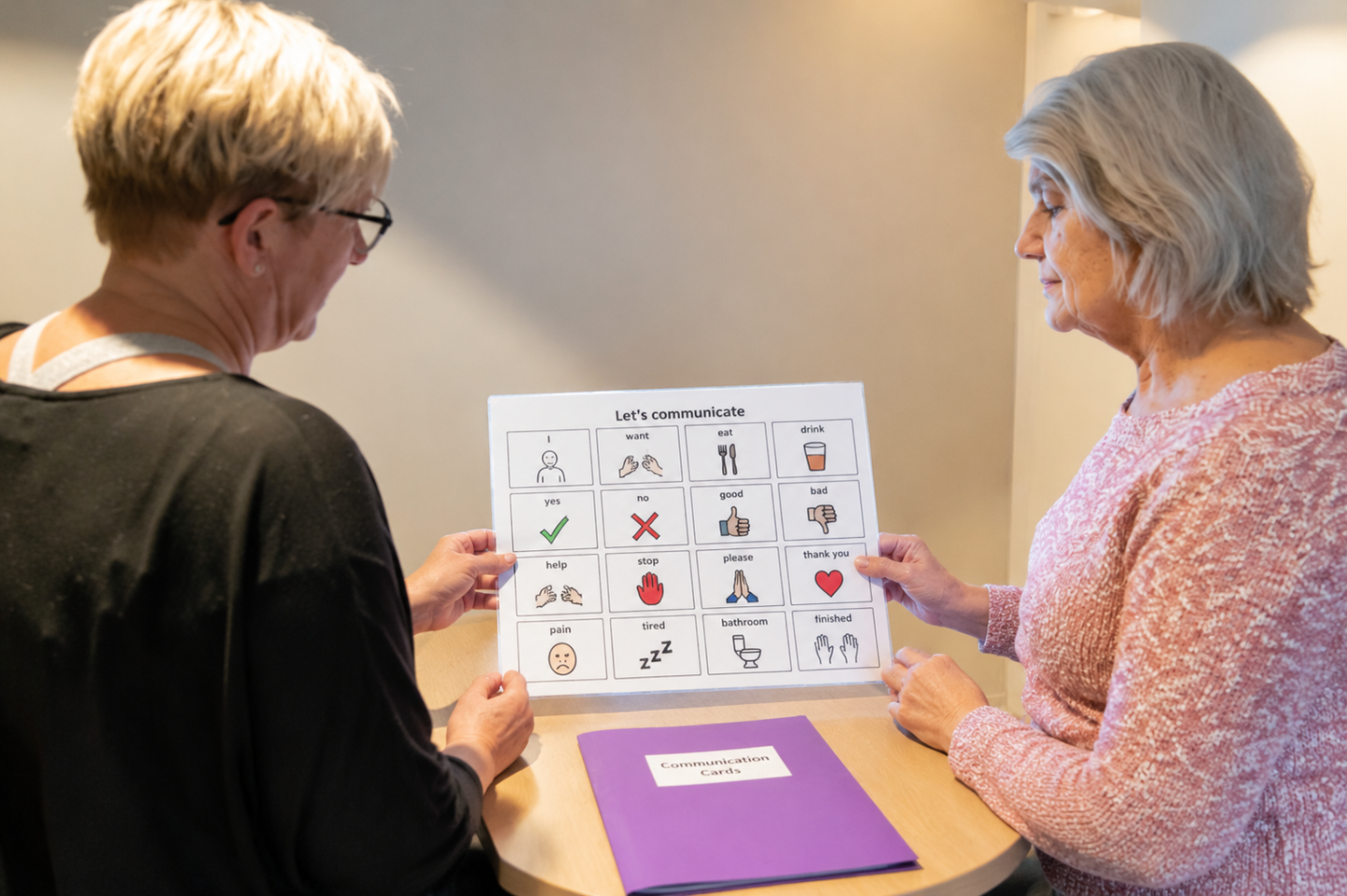
Caring for seniors with speech or mobility difficulties can be challenging. However, with the right strategies and tools, you can create a safe and comfortable home environment for them. This article shares practical family care tips and highlights trusted Canadian resources to help you manage daily caregiving tasks efficiently.
People with Aphasia Can Express Emotions Too — Simple Methods for Recognizing Feelings
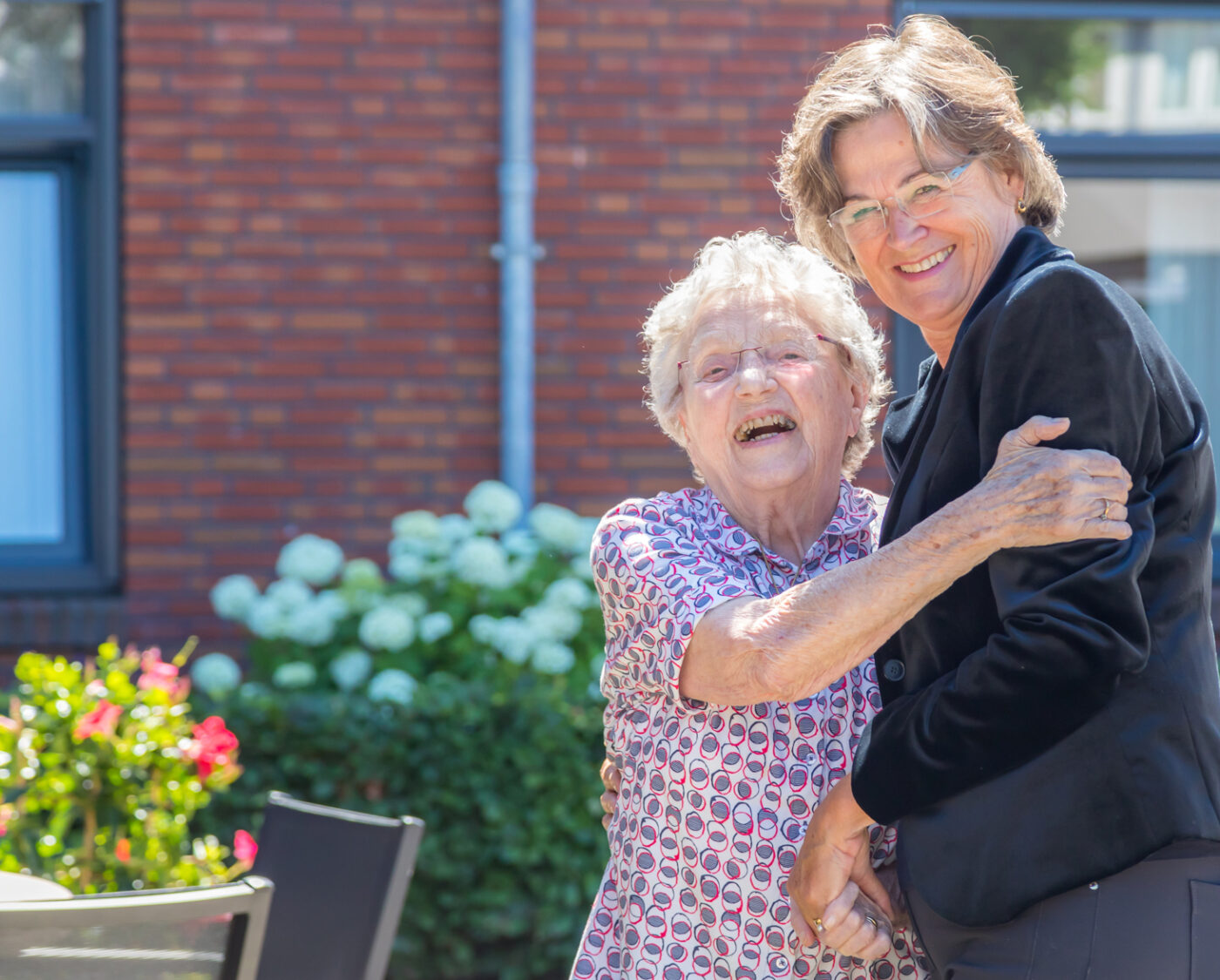
Many people with aphasia experience a psychological gap in the early stages of language difficulty. They have thoughts and feelings but find it hard to express them verbally. This can lead to anxiety, loneliness, or frustration. For family members and caregivers, understanding and recognizing these emotions is the first step toward warm and effective communication.
The Power of a Smile — Understanding the Emotional Experience of People with Aphasia
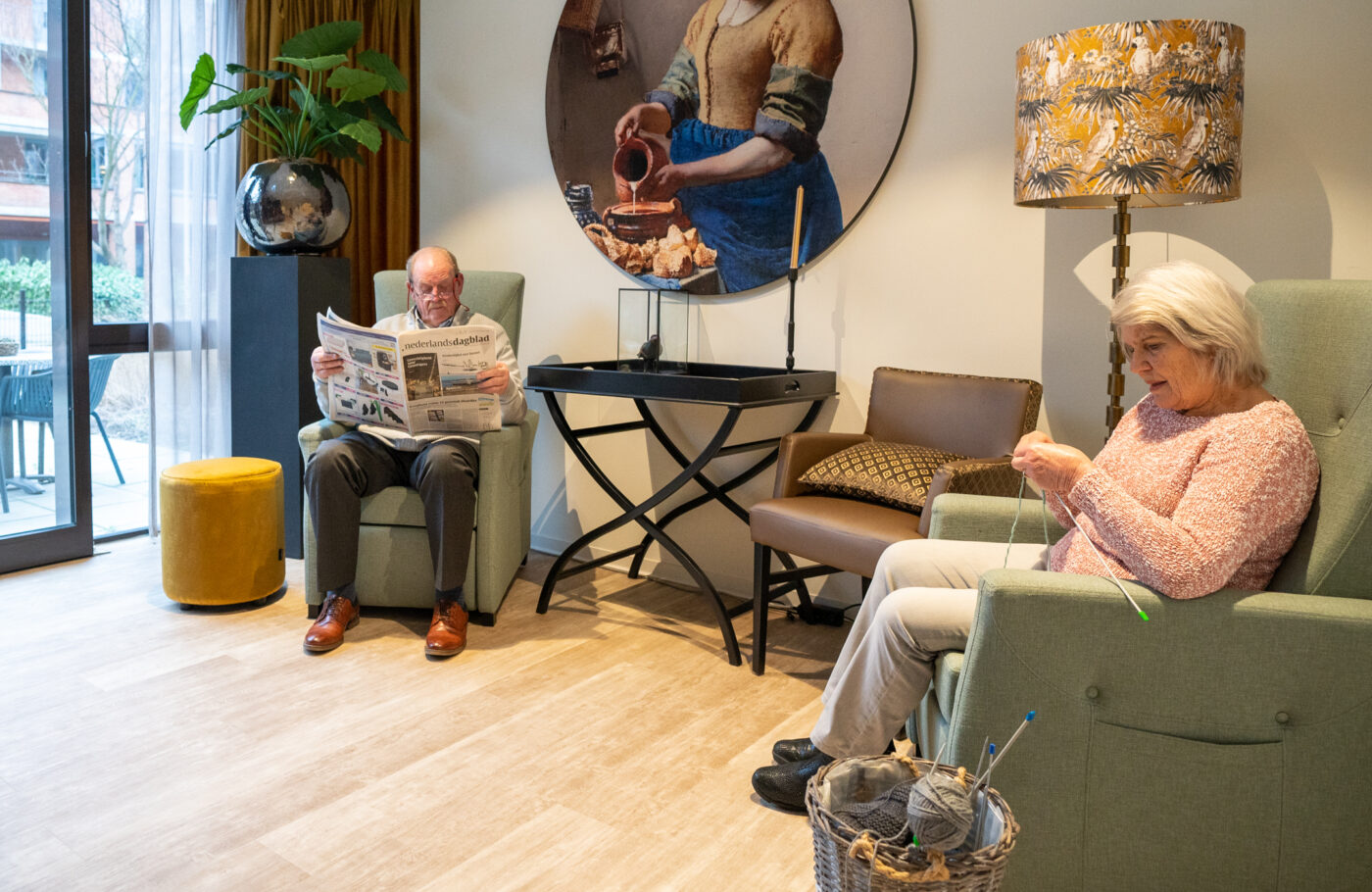
Aphasia doesn’t just affect language—it can also bring emotional challenges. People with aphasia may feel anxious, frustrated, or even lonely when they struggle to express themselves💛. Understanding, patience, and respect from family members and caregivers can make daily life easier and help rebuild confidence in communication.
Talking Together: Practical Tips for Communicating with People with Aphasia
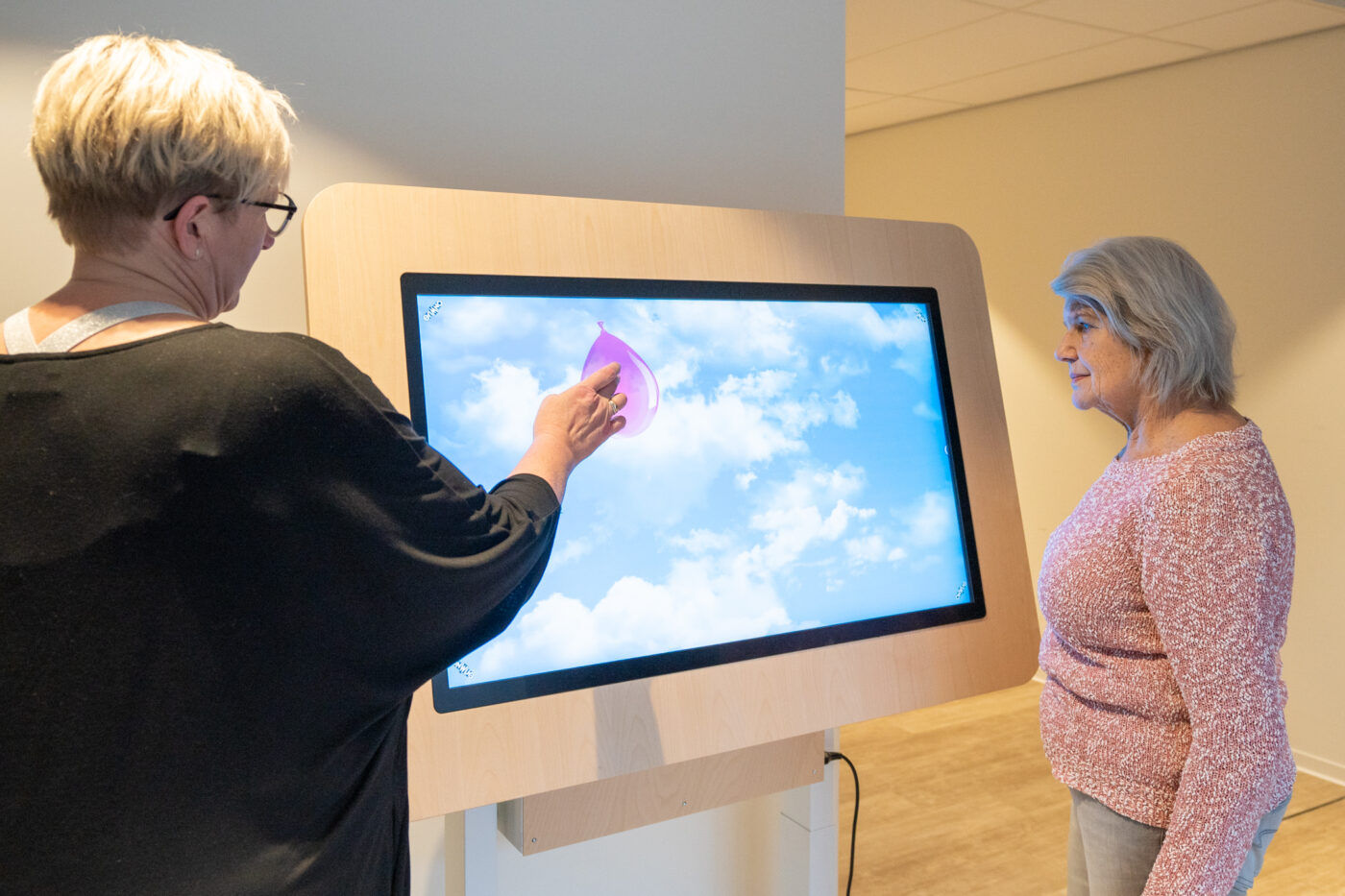
Aphasia does not mean an inability to communicate—it simply means that language communication requires a little more patience and creativity. In daily life, how family members or caregivers interact with people with aphasia is a vital expression of care, understanding, and companionship. With simple methods and tools, daily interactions can be warm and even enjoyable💛.