
Aphasia does not mean an inability to communicate—it simply means that language communication requires a little more patience and creativity. In daily life, how family members or caregivers interact with people with aphasia is a vital expression of care, understanding, and companionship. With simple methods and tools, daily interactions can be warm and even enjoyable💛.
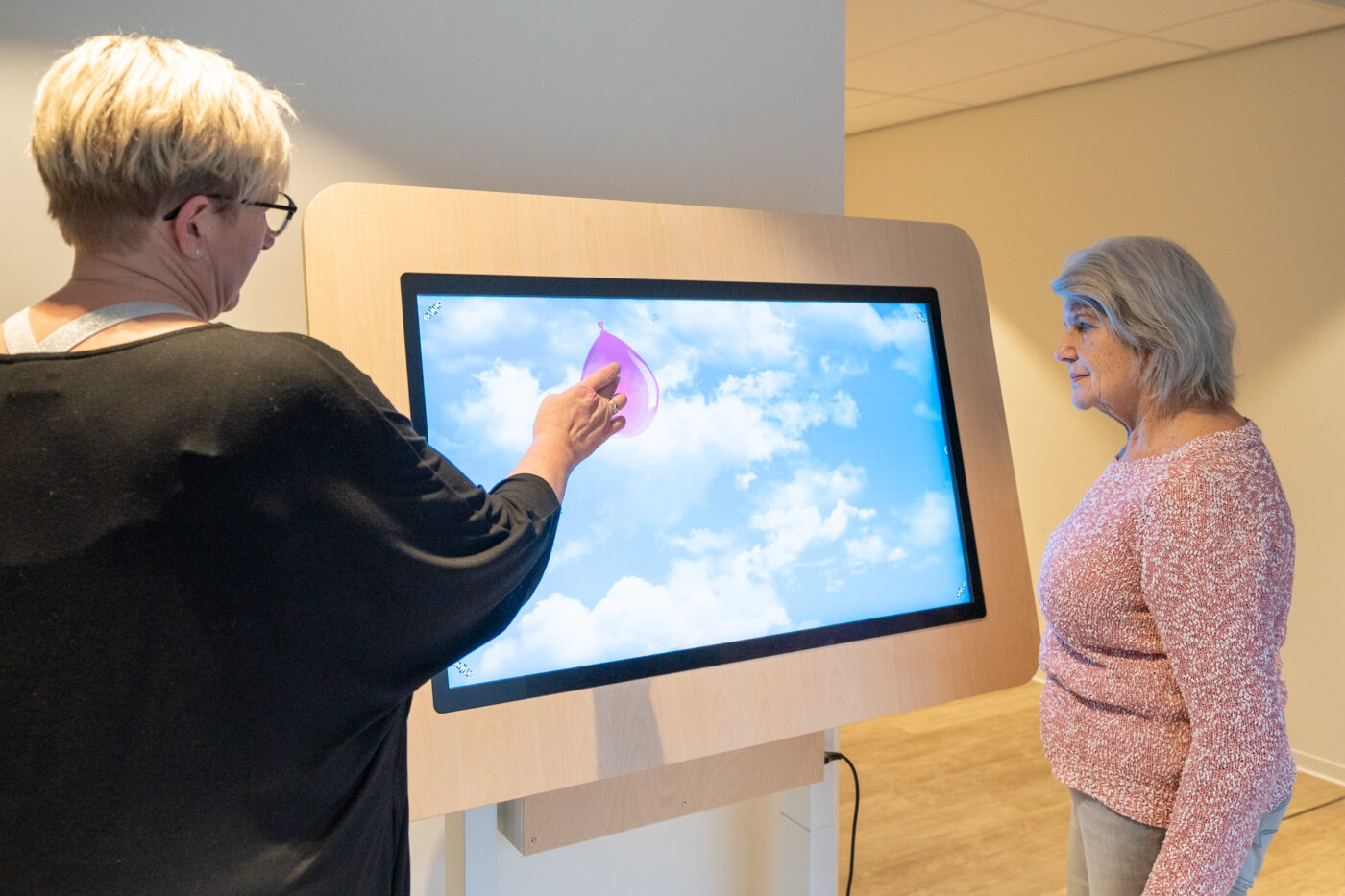
Use Cards or Visual Aids for Clearer Expression
Visual aids or cards are one of the most intuitive communication tools. For example, draw daily items, actions, or needs, such as “drink water,” “wash hands,” or “go to the bathroom.”
- Tip: Keep the cards in a fixed location so the person with aphasia can reach them independently, reducing the pressure of verbal expression.
- Warm suggestion: Use colors or patterns to differentiate types of cards—for example, red for food-related, blue for daily activities—making it easier to recognize at a glance.
According to official language rehabilitation resources, visual aids and supportive tools can help people with aphasia express basic needs and participate more in daily life.
Gesture Support for Natural Communication
Gestures are the most direct and easily understood way to communicate.
- Waving a hand can mean “no,” nodding can mean “yes”
- Pointing at objects or actions
- Combining gestures with eye contact and facial expressions makes the message clearer
💡 Tip: Patience and guidance are more effective than correction. Allowing the person with aphasia to express themselves in their own way makes communication smoother.
Simple Repetition and Choice-Based Questions
In daily communication, long or complex sentences may increase difficulty in understanding.
- Use short sentences and repeat key words
- Provide choices, e.g., “Would you like tea ☕ or water 💧?”
- Responses can be nods, shakes, or pointing
This approach not only reduces communication barriers but also helps the person with aphasia feel understood and included.
Create Daily Interaction Opportunities
Everyday activities can be natural opportunities for communication.
- In cooking, organizing items, or going for a walk, involve the person with aphasia in decisions and actions
- Even small gestures or facial interactions can boost confidence and engagement
- Everyday communication moments accumulate more warmth than structured exercises alone
💡 Tip: Set a “daily interaction time,” such as before breakfast or during a walk, dedicating a few minutes to focused interaction and making communication a warm habit.
Summary
Language is only one form of communication. Patience, observation, and creativity are equally important. A smile, a gesture, cards, or simple choice-based questions can help people with aphasia feel understood and accompanied. Every interaction in daily life is an opportunity to build trust and warmth💛.
Interaction Suggestions
- What small tips have you found useful for communicating with people with aphasia?
- Are there any tools or methods that make communication smoother?
Share in the comments and help other families learn and support each other~