
Observing Facial Expressions and Body Language
Even when verbal communication is limited, emotions can be expressed through facial expressions, eye contact, and body movements.
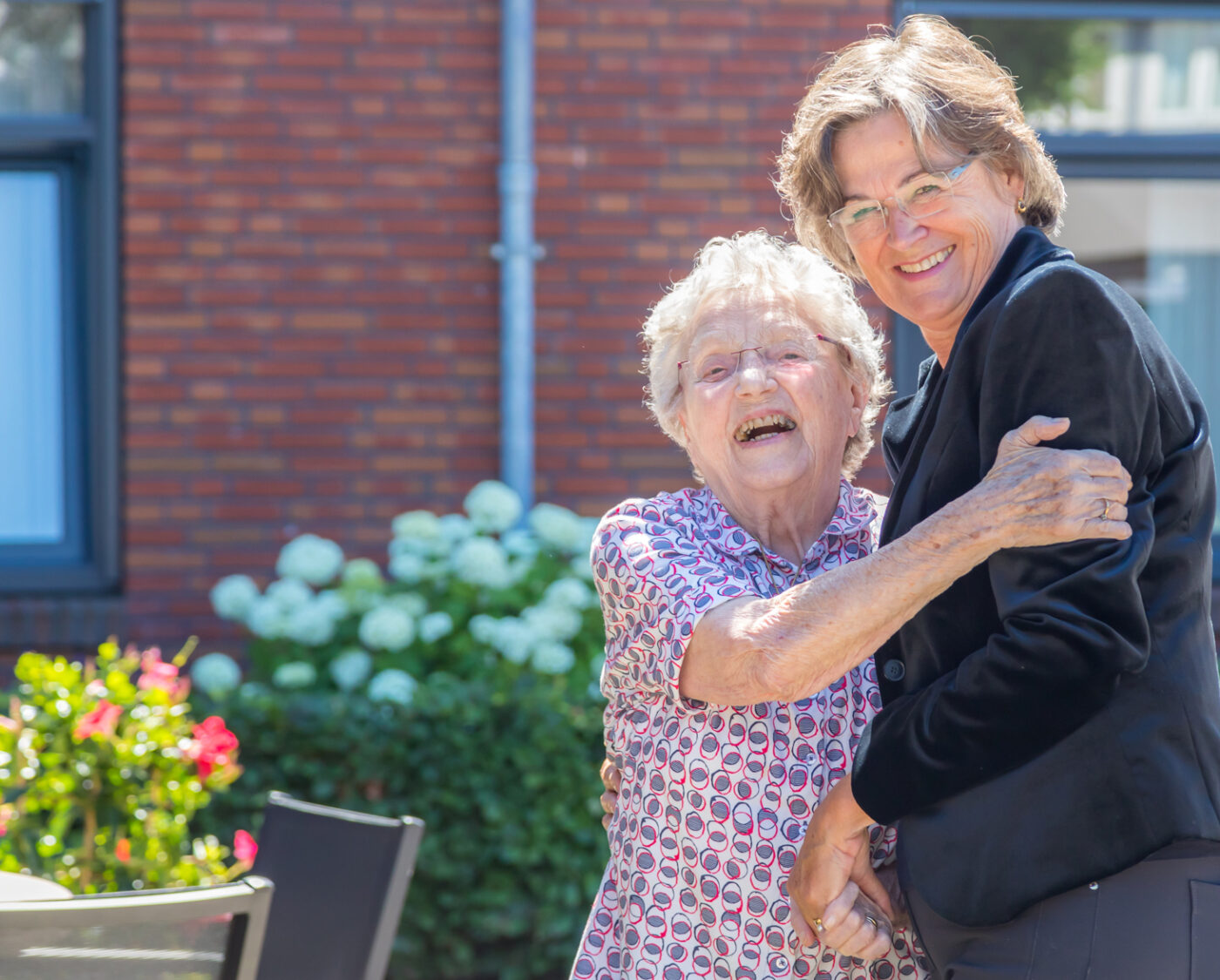
- Smiles and Frowns: Smiling usually indicates happiness or satisfaction, while frowning or lowered eyebrows may show confusion or dissatisfaction.
- Gestures and Posture: Hand movements, body orientation, or slight motions can reflect mood.
- Breathing and Tone: Deep breathing or tense vocal cues may also indicate emotional states.
Tip: Keep a daily record of facial expressions and body movements. Long-term observation can help family members better understand emotions.
Psychological studies show that nonverbal cues account for up to 70% of communication for people with aphasia. Observing expressions and body language greatly improves understanding.
Using Emotion Cards or Symbols
Providing simple emotion cards or symbols allows people with aphasia to indicate how they feel:
- Happy 😄, Angry 😡, Sad 😢, Tense 😰, etc.
- Combine with gestures or pointing methods so the person can express themselves independently
- Provide affirmation and feedback after each use, helping them feel understood
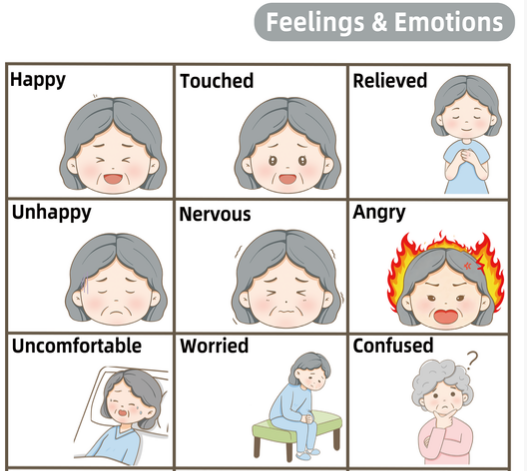
Tip: Place emotion cards in commonly used areas, such as the table or bedside, so they can be accessed easily without pressure.
Encouraging Emotional Expression in Daily Interactions
- Simple Choice Questions: For example, “Are you feeling good today 😄 or a little tired 😓?”
- Drawing or Handcrafting: Use colors or lines to express joy, anger, sadness, or worry without words
- Participating in Household Activities: Allow them to engage in everyday tasks to communicate feelings through actions
These simple methods not only help express emotions but also increase confidence and sense of participation.
Tip: Spend a few minutes each day on focused interaction. Gradually building a habit of emotional expression is more effective than one long session.

Patience and Empathy from Family
The core of emotional support is patience and empathy:
- Accept the diversity of communication methods used by people with aphasia
- Avoid rushing, correcting, or speaking for them; give them autonomy
- Give attention and feedback to every attempt at emotional expression
This respect and support can significantly reduce anxiety and improve life satisfaction.
Summary
Limited language ability does not mean emotions cannot be expressed. By observing facial expressions and body language, using emotion cards, and engaging in daily interactions, people with aphasia can communicate their feelings 😄😡😢😓. Patience, empathy, and warm interactions from family members are key to helping them regain confidence and psychological balance.