
How to Build an Aphasia-Friendly Morning Routine at Home

Mornings can be stressful for families caring for someone with aphasia.

There may be medicine to take, breakfast to prepare, appointments to remember, clothes to choose, and questions that need answers. For a person with aphasia, all of this can feel overwhelming when words are hard to find or understand.

Aphasia affects language, not intelligence. A person may know what they want but need more time, visual support, or a quieter environment to express it. A good morning routine can make communication easier because it reduces surprises and gives the person familiar choices.

Here are practical ways to create a calmer, more aphasia-friendly morning at home.

Read More »

How to Communicate With Someone Who Has Aphasia at Home

Aphasia can change the way a family talks, listens, and connects.

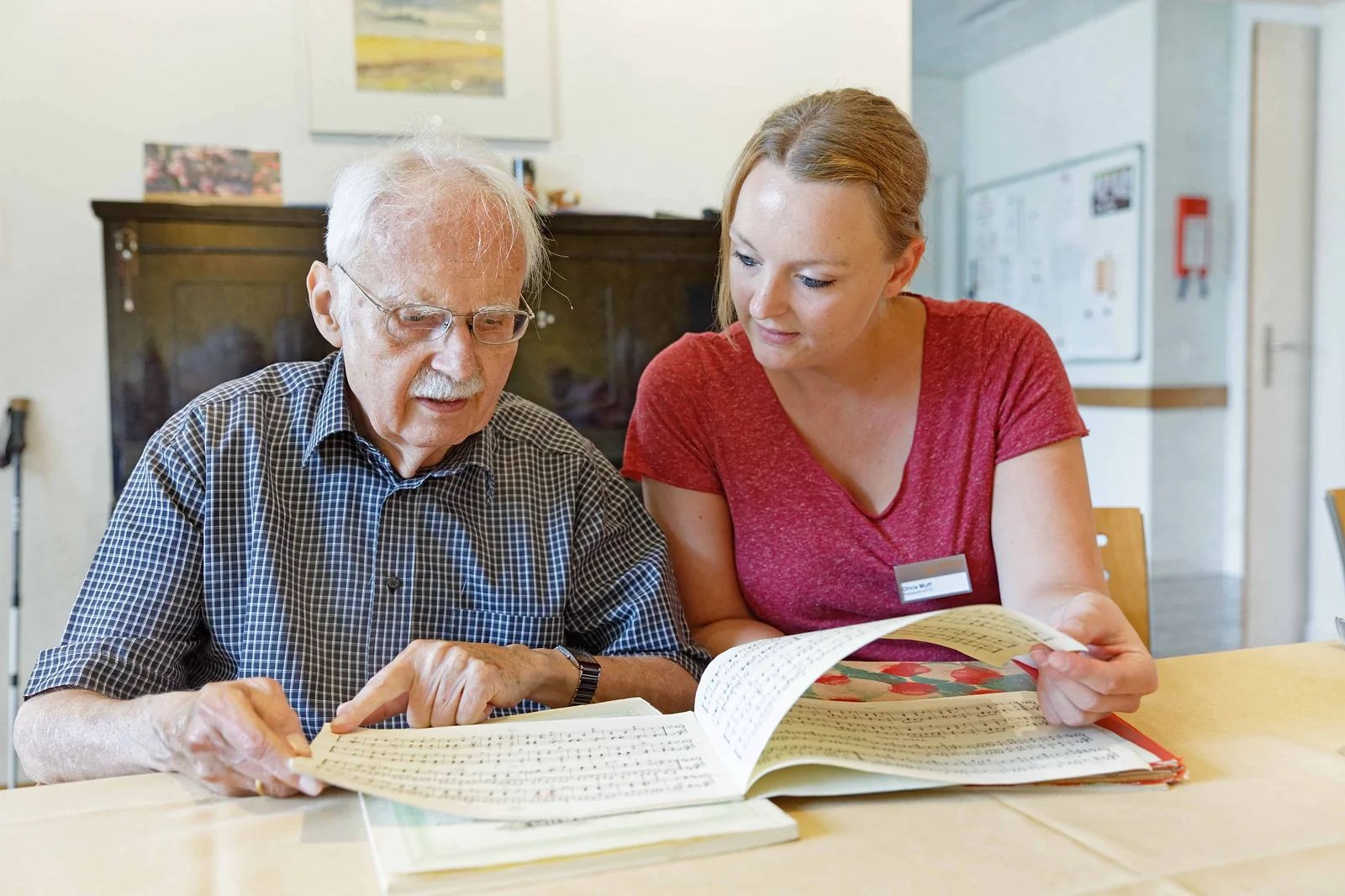
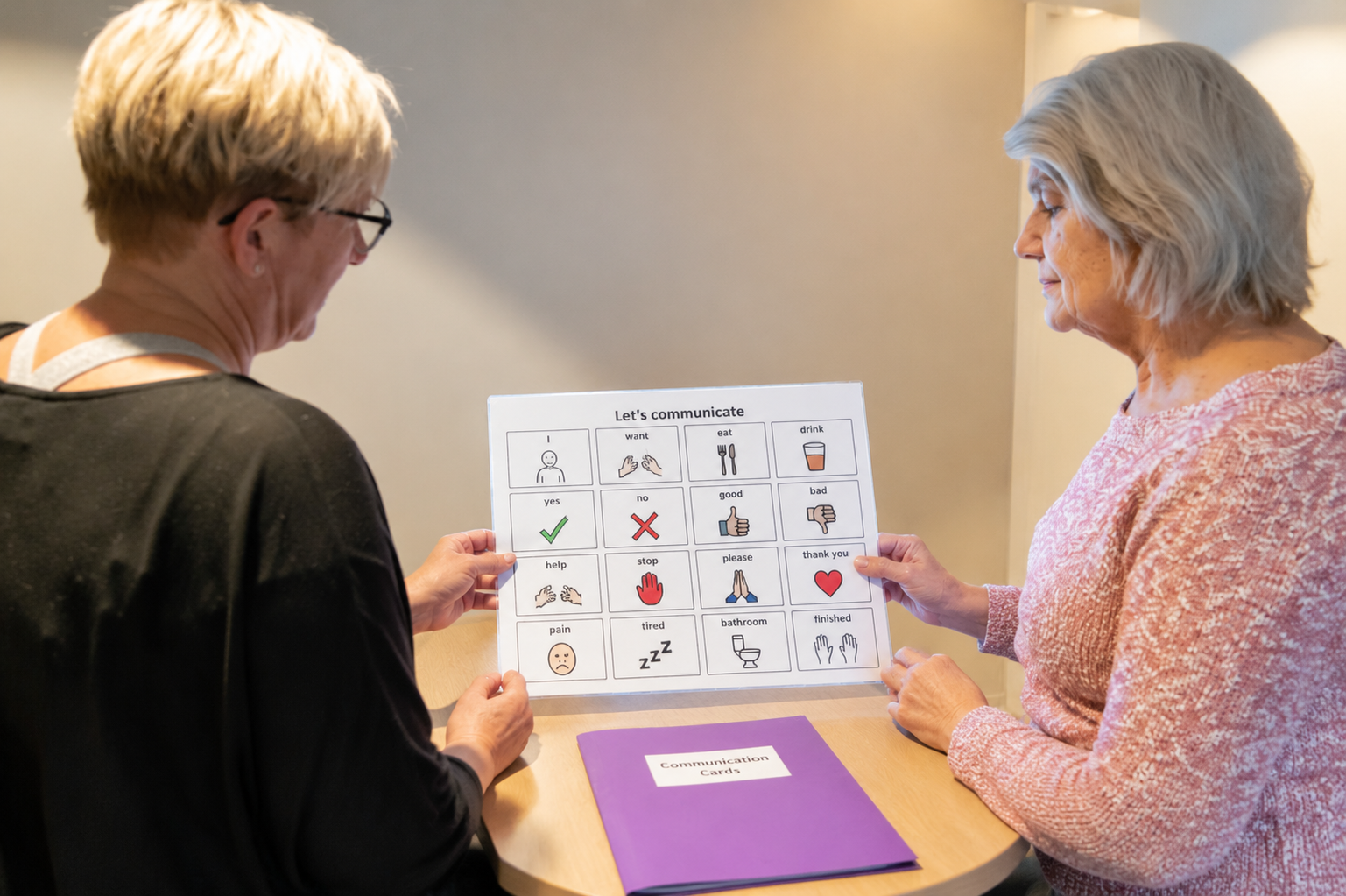
A loved one may know exactly what they want to say, but the words do not come out easily. They may understand more than they can express. They may point, pause, repeat a word, or become frustrated when a simple sentence takes too much effort.

Read More »

Talking Together: Practical Tips for Communicating with People with Aphasia

Aphasia does not mean an inability to communicate—it simply means that language communication requires a little more patience and creativity. In daily life, how family members or caregivers interact with people with aphasia is a vital expression of care, understanding, and companionship. With simple methods and tools, daily interactions can be warm and even enjoyable💛.

Read More »